

-
1 tension
nнапряжённость; напряжённое состояние; pl напряжённые отношения -
2 tension
1. nto accelerate / to aggravate tension — усиливать / обострять / усугублять напряженность
to alleviate tension — смягчать / ослаблять / разряжать напряженность
to calm tension — смягчать / ослаблять / разряжать напряженность
to cause tension between smb — вызывать / создавать напряженность в отношениях между кем-л.
to contribute to the lessening / relaxation of international tension — содействовать уменьшению международной напряженности
to create tension between smb — вызывать / создавать напряженность в отношениях между кем-л.
to dispel tension — смягчать / ослаблять / разряжать напряженность
to ease tension — смягчать напряженность, ослаблять напряженность, разряжать напряженность
to escalate / to exacerbate tension — усиливать / обострять / усугублять напряженность
to foment / to generate tension between smb — вызывать / создавать напряженность в отношениях между кем-л.
to height tension — усиливать / обострять / усугублять напряженность
to increase tension — усиливать / обострять / усугублять напряженность
to lessen tension — смягчать / ослаблять / разряжать напряженность
to mount tension — усиливать / обострять / усугублять напряженность
to produce tension between smb — вызывать / создавать напряженность в отношениях между кем-л.
to reduce / to relax / to relieve tension — смягчать / ослаблять / разряжать напряженность
- aggravation of tensionto step / to whip up tension — усиливать / обострять / усугублять напряженность
- alleviation of tension
- atmosphere of tension
- border tension
- buildup of tension
- dangerous tension
- decrease in tensions
- diplomatic tension
- easing of tension
- East-West tension
- elimination of tensions - flash-point of tension
- focus of tension
- heightening of tension
- increase of tension
- increased tension
- increasing tension
- international tension
- lessening of tension
- military tension
- mounting tension
- national tension
- nationalist tension
- new spiral of tension
- periods of tension in international affairs
- political tension
- process of relaxation of international tension
- prowling tension
- racial tension
- reduction of tension
- regional tension
- relaxation of tension
- removal of tension
- renewed tension
- seat of tension
- sectarian tension
- social tension
- social tensions boiled over in lootings
- some of the tensions still lingered
- tension between nationalities
- tension between the two countries is getting more pronounced
- tension continues
- tension goes up
- tension has eased
- tension heightened
- tension in relations
- tension in troubled areas
- tension is escalating
- tension is increasing
- tension is mounting
- tension is rising
- tension lessened
- tension of struggle
- tension remains high
- tension subsided
- trade tension
- world tension
- worsening of tension 2. v -
3 tension
n1. напруження; напруженість2. напружений стан; напруженість- international tension(s) міжнародна напруженість- political tension(s) політична напруженість- lessening of tension(s) послаблення напруженості- permanent seat of tension постійне джерело напруженості- reduction of tension(s) послаблення напруженості- relaxation of tension розрядка напруженості- removal of tension ліквідація напруженості- state of tension напружена ситуація; напружений стан- to aggravate tension(s) посилити напруженість- to contribute to tension сприяти нагнітанню напруженості, нагнітати напруженість- to create tension створювати напруженість- to decrease tension(s) зменшувати/ послаблювати напруженість- to defuse tension(s) зменшувати/ послаблювати напруженість- to downplay tensions зменшити тертя, приглушити напруженість- to ease tension(s) зменшувати/ послаблювати напруженість- to exacerbate (international) tension(s) посилювати/ нагнітати (міжнародну) напруженість- to fan (international) tension(s) посилювати/ нагнітати (міжнародну) напруженість- to heat up (international) tension(s) посилювати/ нагнітати (міжнародну) напруженість- to heighten (international) tension(s) посилювати/ нагнітати (міжнародну) напруженість- to increase (international) tension(s) посилювати/ нагнітати (міжнародну) напруженість- to lessen tension(s) зменшувати/ послаблювати напруженість- to raise the threshold of tension підвищити поріг напруженості- to relax tension(s) зменшувати/ послаблювати напруженість- to slacken tension(s) зменшувати/ послаблювати напруженість- to whip up (international) tension(s) посилювати/ нагнітати (міжнародну) напруженість- the tensions became palpable напруженість стала відчутною -
4 across-the-line starting (US)
прямой пуск вращающегося электродвигателя
Пуск вращающегося электродвигателя путем непосредственного подключения его к питающей сети.
[ ГОСТ 27471-87]EN
direct-on-line starting
across-the-line starting (US)
the process of starting a motor by connecting it directly to the supply at rated voltage
[IEV number 411-52-15]FR
démarrage direct
mode de démarrage d'un moteur, consistant à lui appliquer directement sa pleine tension assignée
[IEV number 411-52-15]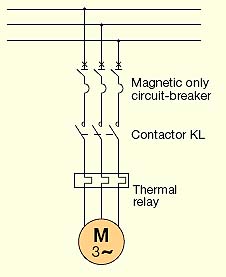
Рис. ABB
Схема прямого пуска электродвигателяMagnetic only circuit-breaker - Автоматический выключатель с электромагнитным расцепителем
Contactor KL - Контактор KL
Thermal relay - Тепловое реле
Параллельные тексты EN-RU
Direct-on-line starting
Direct-on-line starting, which is often abbreviated as DOL, is perhaps the most traditional system and consists in connecting the motor directly to the supply network, thus carrying out starting at full voltage.Direct-on-line starting represents the simplest and the most economical system to start a squirrel-cage asynchronous motor and it is the most used.
As represented in Figure 5, it provides the direct connection to the supply network and therefore starting is carried out at full voltage and with constant frequency, developing a high starting torque with very reduced acceleration times.
The typical applications are relevant to small power motors also with full load starting.
These advantages are linked to some problems such as, for example, the high inrush current, which - in the first instants - can reach values of about 10 to 12 times the rated current, then can decrease to about 6 to 8 times the rated current and can persist to reach the maximum torque speed.The effects of such currents can be identified with the high electro-dynamical stresses on the motor connection cables and could affect also the windings of the motor itself; besides, the high inrush torques can cause violent accelerations which stress the transmission components (belts and joints) generating distribution problems with a reduction in the mechanical life of these elements.
Finally, also the possible electrical problems due to voltage drops on the supply line of the motor or of the connected equipment must be taken into consideration.
[ABB]Прямой пуск
Прямой пуск, который по-английски часто сокращенно обозначают как DOL, является, пожалуй наиболее распространенным способом пуска. Он заключается в непосредственном (т. е. прямом) подключении двигателя к питающей сети. Это означает, что пуск двигателя осуществляется при полном напряжении.Схема прямого пуска является наиболее простым, экономичным и чаще всего применяемым решением для электродвигателей с короткозамкнутым ротором.
Схема прямого подключения к сети представлена на рисунке 5. Пуск осуществляется при полном напряжении и постоянной частоте сети. Электродвигатель развивает высокий пусковой момент при коротком времени разгона.
Типичные области применения – маломощные электродвигатели, в том числе с пуском при полной нагрузке.
Однако, наряду с преимуществами имеются и определенные недостатки, например, бросок пускового тока, достигающий в первоначальный момент 10…12-кратного значения от номинального тока электродвигателя. Затем ток двигателя уменьшается примерно до 6…8-кратного значения номинального тока и будет держаться на этом уровне до тех пор, пока скорость двигателя не достигнет максимального значения.
Такое изменение тока оказывает значительное электродинамическое воздействие на кабель, подключенный к двигателю. Кроме того пусковой ток воздействует на обмотки двигателя. Высокий начальный пусковой момент может привести к значительному ускорению и следовательно к значительной нагрузке элементов привода (ремней, крепления узлов), что вызывает сокращение их срока службы.
И, наконец, следует принять во внимание возможное возникновение проблем, связанных с падением напряжения в линии питания двигателя и подключенного к этой линии оборудования.
[Перевод Интент]
Тематики
Синонимы
EN
- across-the-line starting (US)
- direct line starting
- direct operation of a motor
- direct starting
- direct-on-line starting
- DOL
- full voltage starter application
DE
FR
Англо-русский словарь нормативно-технической терминологии > across-the-line starting (US)
-
5 cut
1.[kʌt]transitive verb, -tt-, cutcut one's finger/leg — sich (Dat. od. Akk.) in den Finger/ins Bein schneiden
he cut himself on broken glass — er hat sich an einer Glasscherbe geschnitten
the remark cut him to the quick — (fig.) die Bemerkung traf ihn ins Mark
cut something in half/two/three — etwas halbieren/zweiteilen/dreiteilen
cut one's ties or links — alle Verbindungen abbrechen
cut no ice with somebody — (fig. coll.) keinen Eindruck auf jemanden machen
cut (p.p.) flowers — Schnittblumen
cut one's nails — sich (Dat.) die Nägel schneiden
cut a key — einen Schlüssel feilen od. anfertigen
cut figures in wood/stone — Figuren aus Holz schnitzen/aus Stein hauen
5) (meet and cross) [Straße, Linie, Kreis:] schneiden6) (fig.): (renounce, refuse to recognize) schneiden7) (carve) [auf]schneiden [Fleisch, Geflügel]; abschneiden [Scheibe]8) (reduce) senken [Preise]; verringern, einschränken [Menge, Produktion]; mindern [Qualität]; kürzen [Ausgaben, Lohn]; verkürzen [Arbeitszeit, Urlaub]; abbauen [Arbeitsplätze]; (cease, stop) einstellen [Dienstleistungen, Lieferungen]; abstellen [Strom]9) (absent oneself from) schwänzen [Schule, Unterricht]10)11)cut something short — (lit. or fig.): (interrupt, terminate) etwas abbrechen
cut somebody short — jemanden unterbrechen; (impatiently) jemandem ins Wort fallen
12) (Cards) abheben13)14)be cut and dried — genau festgelegt od. abgesprochen sein
15) (Computing)2. intransitive verb,-tt-, cut1) [Messer, Schwert usw.:] schneiden; [Papier, Tuch, Käse:] sich schneiden lassencut both ways — (fig.) ein zweischneidiges Schwert sein (fig.)
3) (pass)3. nouncut through or across the field/park — [quer] über das Feld/durch den Park gehen
1) (act of cutting) Schnitt, der2) (stroke, blow) (with knife) Schnitt, der; (with sword, whip) Hieb, der; (injury) Schnittwunde, die3) (reduction) (in wages, expenditure, budget) Kürzung, die; (in prices) Senkung, die; (in working hours, holiday, etc.) Verkürzung, die; (in services) Verringerung, die; (in production, output, etc.) Einschränkung, diemake cuts — Streichungen/Schnitte vornehmen
Phrasal Verbs:- academic.ru/98633/cut_away">cut away- cut back- cut down- cut in- cut off- cut out- cut up* * *1. present participle - cutting; verb1) (to make an opening in, usually with something with a sharp edge: He cut the paper with a pair of scissors.) schneiden2) (to separate or divide by cutting: She cut a slice of bread; The child cut out the pictures; She cut up the meat into small pieces.) aus-, abschneiden3) (to make by cutting: She cut a hole in the cloth.) schneiden4) (to shorten by cutting; to trim: to cut hair; I'll cut the grass.) schneiden5) (to reduce: They cut my wages by ten per cent.) kürzen6) (to remove: They cut several passages from the film.) schneiden7) (to wound or hurt by breaking the skin (of): I cut my hand on a piece of glass.) schneiden8) (to divide (a pack of cards).) abheben9) (to stop: When the actress said the wrong words, the director ordered `Cut!') `Schnitt`10) (to take a short route or way: He cut through/across the park on his way to the office; A van cut in in front of me on the motorway.) abkürzen11) (to meet and cross (a line or geometrical figure): An axis cuts a circle in two places.) schneiden12) (to stay away from (a class, lecture etc): He cut school and went to the cinema.) schwänzen2. noun1) (the result of an act of cutting: a cut on the head; a power-cut (= stoppage of electrical power); a haircut; a cut in prices.) der Schnitt2) (the way in which something is tailored, fashioned etc: the cut of the jacket.) der Schnitt3) (a piece of meat cut from an animal: a cut of beef.) das Stück•- cutter- cutting 3. adjective(insulting or offending: a cutting remark.) scharf- cut glass- cut-price
- cut-throat 4. adjective(fierce; ruthless: cut-throat business competition.) halsabschneiderisch, mörderisch- a cut above- cut and dried
- cut back
- cut both ways
- cut a dash
- cut down
- cut in
- cut it fine
- cut no ice
- cut off
- cut one's losses
- cut one's teeth
- cut out
- cut short* * *[kʌt]I. NOUNto make a \cut [in sth] [in etw akk] einen Einschnitt machensirloin is the most expensive \cut of beef die Lende ist das teuerste Stück vom Rindcold \cuts Aufschnitt mher hair was in need of a \cut ihre Haare mussten geschnitten werdendeep \cut tiefe Schnittwundeto get a \cut sich akk schneidenwhere'd you get that \cut? wo hast du dich denn da geschnitten? famwhen am I going to get my \cut? wann bekomme ich meinen Anteil? m\cut in emissions Abgasreduzierung f\cut in interest rates Zinssenkung f\cut in prices Preissenkung f, Ermäßigung f\cut in production Produktionseinschränkung f\cut in staff Personalabbau mto take a \cut eine Kürzung hinnehmenhe took a \cut in salary er nahm eine Gehaltskürzung hinmany people have had to take a \cut in their living standards viele Menschen mussten sich mit einer Einschränkung ihres Lebensstandards abfinden9. (less spending)▪ \cuts pl Kürzungen pl, Streichungen plbudget \cuts Haushaltskürzungen plto make \cuts in the budget Abstriche am Etat machento make a \cut in a film eine Szene aus einem Film herausschneidento make \cuts Streichungen vornehmento have a \cut schwänzen fam12. SPORTto give the ball a \cut den Ball anschneiden13.▶ to be a \cut above sb/sth jdm/etw um einiges überlegen seinII. ADJECTIVE\cut flowers Schnittblumen pl2. (fitted) glass, jewel geschliffenIII. INTERJECTION\cut! Schnitt!IV. TRANSITIVE VERB<-tt-, cut, cut>1. (slice)▪ to \cut sth etw schneidendid you already \cut some bread? hast du schon etwas Brot aufgeschnitten?to \cut a hole in sth ein Loch in etw akk schneidento \cut sth in[to] several pieces etw in mehrere Teile zerschneidenhow can I \cut this cake in two pieces? wie kann ich diesen Kuchen halbieren?to \cut sb/sth free jdn/etw losschneiden; (from wreck) jdn/etw herausschneidento \cut sth loose etw losschneidento \cut sth open etw aufschneiden▪ to \cut sb sth [or sth for sb] jdm [o für jdn] etw schneidencould you \cut me a slice of bread? könntest du mir eine Scheibe Brot abschneiden?2. (sever)▪ to \cut sth etw durchschneidenshe nearly \cut an artery with the new hedge-trimmer sie durchtrennte fast eine Arterie mit der neuen elektrischen Heckenschere3. (trim)▪ to \cut sth etw [ab]schneidento \cut one's fingernails sich dat die Fingernägel schneidento \cut flowers Blumen abschneidento \cut the grass den Rasen mähento \cut sb's hair jdm die Haare schneiden4. (injure)I've \cut my hand on that glass ich habe mir die Hand an diesem Glas geschnittenhe \cut his head open er hat sich den Kopf aufgeschlagen5. (clear)▪ to \cut sth road, tunnel etw bauen; ditch, trench etw grabenthey're planning to \cut a road right through the forest sie planen, eine Straße mitten durch den Wald zu schlagen6. (decrease)▪ to \cut sth etw senken [o herabsetzen] [o reduzieren]they should \cut class sizes to 30 die Klassengröße sollte auf 30 Schüler verringert werdento \cut costs die Kosten senkento \cut one's losses weitere Verluste vermeidento \cut overtime die Überstunden reduzierento \cut prices die Preise herabsetzen [o senken]to \cut wages die Löhne kürzenour company is \cutting its workforce by 20% unsere Firma baut 20 % ihres Personals ab7. (break)▪ to \cut sth etw unterbrechenthey \cut our supply lines sie schnitten uns unsere Versorgungslinien ab8. (abridge)to \cut a film einen Film kürzento \cut short ⇆ sth etw abbrechen; (interrupt)to \cut sb short jdn unterbrechen, jdm ins Wort fallen9. (remove)to be \cut from the team aus dem Team entfernt werdento \cut a scene in a film eine Szene aus einem Film herausschneiden10. (miss)▪ to \cut sth etw auslassenshe decided to \cut some of her meetings sie entschied sich, einige ihrer Treffen nicht wahrzunehmen11. (turn off)to \cut the motor [or engine] den Motor abstellen13. (shape)to \cut a diamond einen Diamanten schleifen14. AUTOto \cut a corner [too sharply] eine Kurve [zu scharf] schneiden15. (teethe)to \cut a tooth einen Zahn bekommen, zahnen16. CARDSto \cut the cards die Karten abheben17. MUSto \cut a record/CD eine Platte/CD aufnehmen18. COMPUTto \cut and paste sth etw ausschneiden und einfügen19. MATH▪ to \cut sth etw schneiden20. SPORTto \cut the ball den Ball [an]schneiden21.▶ you should \cut your coat according to your cloth BRIT ( prov) man muss sich akk nach der Decke strecken prov▶ to \cut corners schnell und kostengünstig arbeiten▶ to \cut sb dead jdn schneidentoday in the store Martha \cut me dead heute im Supermarkt hat Martha mich keines Blickes gewürdigt▶ to \cut the ground from under sb's feet jdm den Boden unter den Füßen wegziehen▶ to \cut no [or very little] ice with sb keinen Eindruck auf jdn machen▶ to \cut sb to the quick [or heart] jdn ins Mark treffen▶ to be \cut from the same cloth aus dem gleichen Holz geschnitzt sein▶ to \cut sb some slack AM mit jdm nachsichtig sein▶ to \cut a long story short der langen Rede kurzer Sinn, um es kurzzumachen▶ to be so thick that you can \cut it with a knife zum Zerreißen gespannt seinthe tension was so thick in the air that you could \cut it with a knife die Atmosphäre war zum Zerreißen gespannt<-tt-, cut, cut>1. (slice) knife schneiden3. (take short cut)to \cut over a field eine Abkürzung über ein Feld nehmen4. CARDS abhebento \cut for dealer den Geber auslosento \cut [in line] sich akk vordrängelnto \cut in front of sb sich akk vor jdn drängelnno \cutting! nicht drängeln!6. COMPUTto \cut and paste ausschneiden und einfügen7. (withdraw)8.▶ to \cut loose AM, AUS alle Hemmungen verlierenshe really \cuts loose when she dances sie tobt sich beim Tanzen richtig aus* * *cut [kʌt]A s1. a) Schnitt mb) Schnittwunde f2. Hieb m:b) fig (feindseliges) Hin und Her, Widerstreit m;rhetorical cut and thrust Wortgefecht n3. fig Stich m, (Seiten)Hieb m, Bosheit f4. umg Schneiden n:give sb the cut direct jemanden ostentativ schneiden7. TECH Ein-, Anschnitt m, Kerbe f8. TECH Schnittfläche f9. TECH Schrot m/nb) Graben m11. Schnitte f, Stück n (besonders Fleisch):12. US umg Imbiss m13. umg Anteil m (of, in an dat):my cut is 20%14. besonders USa) Mahd f (Gras)b) Schlag m (Holz)c) Schur f (Wolle)15. FILM, TV Schnitt m16. FILM, RADIO, TV: scharfe Überblendung, Schnitt m17. Abkürzung(sweg) f(m), direkter Weg18. Tennis etc: Schnitt m19. Stück n, Länge f (von Stoff, Tuch)20. (Zu)Schnitt m, Fasson f (besonders von Kleidung)21. Schnitt m, Schliff m (von Edelsteinen)22. fig Art f, Schlag m:of quite a different cut aus ganz anderem Holz geschnitzt23. Gesichtsschnitt m24. umg (soziale etc) Stufe:a cut above eine Stufe höher als25. TYPOb) Druckstock mc) Klischee n26. Holzschnitt m28. Streichung f, Auslassung f, Kürzung f (in einem Buch etc)29. WIRTSCH Kürzung f, Senkung f:cut in salary Gehaltskürzung30. SCHULE, UNIV umg Schwänzen n31. Kartenspiel:a) Abheben nb) abgehobene Karte(n pl)32. umg Strohhalm m (zum Losen):draw cuts Strohhalme ziehen, losen33. Golf: Cut m (maximale Schlagzahl, mit der sich ein Spieler für die letzten beiden Runden eines Turniers qualifiziert):make the cut den Cut schaffenB adj1. beschnitten, (zu)geschnitten, gestutzt, gespalten, zersägt:cut flowers Schnittblumen;cut glass geschliffenes Glas2. BOT (ein)gekerbt3. gemeißelt, geschnitzt, behauen4. verschnitten, kastriert:a cut horse ein Wallach6. Br sl blau, besoffenC v/t prät und pperf cut1. (be-, zer)schneiden, ab-, durchschneiden, einen Schnitt machen in (akk):cut sb sth jemandem etwas abschneiden;cut to pieces zerstückeln;2. abhacken, abschneiden, absägen, SCHIFF kappen:cut a book ein Buch aufschneiden;cut coal Kohle(n) hauen;cut grass Gras mähen;cut trees Bäume fällen;cut turf Rasen stechen;cut wood Holz hacken3. eine Hecke etc (be)schneiden, stutzen:cut sb’s hair jemandem die Haare schneiden; → story1 44. eine Schnittwunde beibringen (dat), verletzen:cut one’s finger sich in den Finger schneiden;he cut himself on the lid er schnitt sich am Deckel5. schlagen:6. Tiere kastrieren, verschneiden7. ein Kleid, einen Teppich etc zuschneiden, etwas zurechtschneiden, einen Schlüssel anfertigen, einen Braten vorschneiden oder zerlegen9. (ein)schnitzen, einschneiden, -ritzencut one’s way sich einen Weg bahnen12. MATH etc durchschneiden, kreuzen13. AUTOb) ein Verkehrszeichen etc überfahren14. einen Text etc, auch einen Betrag etc kürzen, beschneiden, zusammenstreichen (to auf akk):cut film einen Film schneiden;cut the wages die Löhne kürzen;16. die Geschwindigkeit herabsetzen, verringern17. cut one’s losses WIRTSCH weiteren (finanziellen) Verlusten vorbeugen18. a) CHEM, TECH verdünnen, auflösenb) umg verwässern19. TECH abstoßen, Metall, auch Gewinde schneiden, beschroten, fräsen, scheren, schleifen21. ELEK, AUTO, TECHa) den Motor etc ab-, ausschaltenb) den Motor drosseln22. FILM, RADIO, TV: abbrechen23. (auf Tonband etc) mitschneiden24. fig eine Verbindung abbrechen, aufgeben25. figa) betrüben:it cut him to the heart es tat ihm in der Seele weh, es schnitt ihm ins Herz26. umg jemanden schneiden:cut sb dead jemanden völlig ignorieren27. SCHULE, UNIV umg eine Stunde etc schwänzen28. Karten abheben29. Tennis etc: den Ball (an)schneiden30. umg Gewinne teilenD v/i1. schneiden (in, into in akk), bohren, hauen, sägen, stechen:the knife doesn’t cut das Messer schneidet nicht;a) es ist ein zweischneidiges Schwert,b) das gilt für beide Teile (gleichermaßen)2. einschneiden, drücken (Kragen etc)3. sich (gut etc) schneiden lassen4. durchbrechen (Zähne)5. (auf dem kürzesten Wege) hindurchgehen, den kürzesten Weg einschlagen6. umga) rasen, flitzenb) abhauen:cut and run Reißaus nehmen7. wehtun, kränken8. Kartenspiel: abheben9. SPORT den Ball (an)schneiden10. FILM etca) schneiden, überblenden:b) abbrechen11. SCHULE, UNIV umg (die Stunde etc) schwänzen13. umg die Gewinne teilen* * *1.[kʌt]transitive verb, -tt-, cut1) (penetrate, wound) schneidencut one's finger/leg — sich (Dat. od. Akk.) in den Finger/ins Bein schneiden
the remark cut him to the quick — (fig.) die Bemerkung traf ihn ins Mark
cut something in half/two/three — etwas halbieren/zweiteilen/dreiteilen
cut one's ties or links — alle Verbindungen abbrechen
cut no ice with somebody — (fig. coll.) keinen Eindruck auf jemanden machen
3) (detach, reduce) abschneiden; schneiden, stutzen [Hecke]; mähen [Getreide, Gras]cut (p.p.) flowers — Schnittblumen
cut one's nails — sich (Dat.) die Nägel schneiden
4) (shape, fashion) schleifen [Glas, Edelstein, Kristall]; hauen, schlagen [Stufen]cut a key — einen Schlüssel feilen od. anfertigen
cut figures in wood/stone — Figuren aus Holz schnitzen/aus Stein hauen
5) (meet and cross) [Straße, Linie, Kreis:] schneiden6) (fig.): (renounce, refuse to recognize) schneiden7) (carve) [auf]schneiden [Fleisch, Geflügel]; abschneiden [Scheibe]8) (reduce) senken [Preise]; verringern, einschränken [Menge, Produktion]; mindern [Qualität]; kürzen [Ausgaben, Lohn]; verkürzen [Arbeitszeit, Urlaub]; abbauen [Arbeitsplätze]; (cease, stop) einstellen [Dienstleistungen, Lieferungen]; abstellen [Strom]9) (absent oneself from) schwänzen [Schule, Unterricht]10)11)cut something short — (lit. or fig.): (interrupt, terminate) etwas abbrechen
cut somebody short — jemanden unterbrechen; (impatiently) jemandem ins Wort fallen
12) (Cards) abheben13)14)be cut and dried — genau festgelegt od. abgesprochen sein
15) (Computing)2. intransitive verb,-tt-, cut1) [Messer, Schwert usw.:] schneiden; [Papier, Tuch, Käse:] sich schneiden lassencut both ways — (fig.) ein zweischneidiges Schwert sein (fig.)
2) (cross, intersect) sich schneiden3) (pass)3. nouncut through or across the field/park — [quer] über das Feld/durch den Park gehen
1) (act of cutting) Schnitt, der2) (stroke, blow) (with knife) Schnitt, der; (with sword, whip) Hieb, der; (injury) Schnittwunde, die3) (reduction) (in wages, expenditure, budget) Kürzung, die; (in prices) Senkung, die; (in working hours, holiday, etc.) Verkürzung, die; (in services) Verringerung, die; (in production, output, etc.) Einschränkung, die4) (of meat) Stück, das5) (coll.): (commission, share) Anteil, dermake cuts — Streichungen/Schnitte vornehmen
Phrasal Verbs:- cut away- cut back- cut down- cut in- cut off- cut out- cut up* * *(injury) n.Schnittwunde f. adj.geschnitten adj. n.Schnitt -e m. (into) v.einschneiden v. v.(§ p.,p.p.: cut)= anschneiden v.beschneiden v.kürzen v.mähen v.schneiden v.(§ p.,pp.: schnitt, geschnitten) -
6 cut
[kʌt] nto make a \cut [in sth] [in etw akk] einen Einschnitt machensirloin is the most expensive \cut of beef die Lende ist das teuerste Stück vom Rind;cold \cuts Aufschnitt mher hair was in need of a \cut ihre Haare mussten geschnitten werdendeep \cut tiefe Schnittwunde;to get a \cut sich akk schneiden;where'd you get that \cut? wo hast du dich denn da geschnitten? ( fam)when am I going to get my \cut? wann bekomme ich meinen Anteil?\cut in emissions Abgasreduzierung f;\cut in interest rates Zinssenkung f;\cut in prices Preissenkung f, Ermäßigung f;\cut in production Produktionseinschränkung f;\cut in staff Personalabbau m;to take a \cut eine Kürzung hinnehmen;many people have had to take a \cut in their living standards viele Menschen mussten sich mit einer Einschränkung ihres Lebensstandards abfinden9) ( less spending)budget \cuts Haushaltskürzungen fpl;to make \cuts in the budget Abstriche am Etat machento make a \cut in a film eine Szene aus einem Film herausschneiden;to make \cuts Streichungen vornehmento have a \cut schwänzen ( fam)to give the ball a \cut den Ball anschneidenPHRASES:the \cut and thrust of sth das Spannungsfeld einer S. gen;1) ( removed) abgeschnitten;\cut flowers Schnittblumen fpl\cut! Schnitt! vt <-tt-, cut, cut>1) ( slice)to \cut sth etw schneiden;did you already \cut some bread? hast du schon etwas Brot aufgeschnitten?;to \cut a hole in sth ein Loch in etw akk schneiden;to \cut sth in[to] several pieces etw in mehrere Teile zerschneiden;how can I \cut this cake in two pieces? wie kann ich diesen Kuchen halbieren?;to \cut sb/ sth free jdn/etw losschneiden;( from wreck) jdn/etw herausschneiden;to \cut sth loose etw losschneiden;to \cut sth open etw aufschneiden;could you \cut me a slice of bread? könntest du mir eine Scheibe Brot abschneiden?;to \cut sth with sth etw mit etw dat schneiden2) ( sever)to \cut sth etw durchschneiden;she nearly \cut an artery with the new hedge-trimmer sie durchtrennte fast eine Arterie mit der neuen elektrischen Heckenschere3) ( trim)to \cut sth etw [ab]schneiden;to \cut one's fingernails sich dat die Fingernägel schneiden;to \cut flowers Blumen abschneiden;to \cut the grass den Rasen mähen;to \cut sb's hair jdm die Haare schneiden;4) ( injure)I've \cut my hand on that glass ich habe mir die Hand an diesem Glas geschnitten;he \cut his head open er hat sich den Kopf aufgeschlagen5) ( clear)to \cut sth road, tunnel etw bauen; ditch, trench etw graben;they're planning to \cut a road right through the forest sie planen, eine Straße mitten durch den Wald zu schlagen;to \cut a swath through sth eine Bahn durch etw akk schneiden6) ( decrease)to \cut sth etw senken [o herabsetzen] [o reduzieren];they should \cut class sizes to 30 die Klassengröße sollte auf 30 Schüler verringert werden;to \cut costs die Kosten senken;to \cut one's losses weitere Verluste vermeiden;to \cut overtime die Überstunden reduzieren;to \cut prices die Preise herabsetzen [o senken];to \cut wages die Löhne kürzen;our company is \cutting its workforce by 20 per cent unsere Firma baut 20% ihres Personals ab7) ( break)to \cut sth etw unterbrechen;they \cut our supply lines sie schnitten uns unsere Versorgungslinien ab8) ( abridge)to \cut a film einen Film kürzen;to \cut short <-> sth etw abbrechen;( interrupt)to \cut sb short jdn unterbrechen, jdm ins Wort fallen9) ( remove)to be \cut from the team aus dem Team entfernt werden;to \cut a scene in a film eine Szene aus einem Film herausschneidento \cut sth etw auslassen;she decided to \cut some of her meetings sie entschied sich, einige ihrer Treffen nicht wahrzunehmen;to \cut sth behaviour etw [unter]lassen;to \cut a diamond einen Diamanten schleifento \cut a corner [too sharply] eine Kurve [zu scharf] schneiden15) to \cut a tooth einen Zahn bekommen, zahnento \cut the cards die Karten abhebento \cut a record/CD eine Platte/CD aufnehmento \cut and paste sth etw ausschneiden und einfügento \cut sth etw schneidento \cut the ball den Ball [an]schneidenPHRASES:to \cut capers (dated) Luftsprünge machen;you should \cut your coat according to your cloth ( Brit) ( prov) man muss sich akk nach der Decke strecken ( prov)to be \cut from the same cloth aus dem gleichen Holz geschnitzt sein;to \cut corners schnell und kostengünstig arbeiten;to \cut the ground from under sb's feet jdm den Boden unter den Füßen wegziehen;to be so thick that you can \cut it with a knife zum Zerreißen gespannt sein;the tension was so thick in the air that you could \cut it with a knife die Atmosphäre war zum Zerreißen gespannt;to \cut off one's nose to spite one's face sich akk ins eigene Fleisch schneiden;to \cut sb to the quick [or heart] jdn ins Mark treffen;to \cut sb some slack (Am) mit jdm nachsichtig sein;to \cut a long story short der langen Rede kurzer Sinn, um es kurz zu machen;to \cut sb dead jdn schneiden;today in the store Martha \cut me dead heute im Supermarkt hat Martha mich keines Blickes gewürdigt;to [not] \cut it [or (Am a.) the mustard] [k]ein hohes Niveau erreichen vi <-tt-, cut, cut>3) ( take short cut)to \cut over a field eine Abkürzung über ein Feld nehmen; see also cut across 2, cut over, cut through 34) cards abheben;to \cut for dealer den Geber auslosento \cut [in line] sich akk vordrängeln;to \cut in front of sb sich akk vor jdn drängeln;no \cutting! nicht drängeln!6) computto \cut and paste ausschneiden und einfügen7) ( withdraw)PHRASES:to \cut loose (Am, Aus) alle Hemmungen verlieren;she really \cuts loose when she dances sie tobt sich beim Tanzen richtig aus;to \cut and run Reißaus nehmen, sich akk aus dem Staub machen -
7 reduce
rə'dju:s1) (to make less, smaller etc: The shop reduced its prices; The train reduced speed.) reducir2) (to lose weight by dieting: I must reduce to get into that dress.) adelgazar, perder peso3) (to drive, or put, into a particular (bad) state: The bombs reduced the city to ruins; She was so angry, she was almost reduced to tears; During the famine, many people were reduced to eating grass and leaves.) reducir (a)•- reduction
reduce vb1. reducir / disminuir2. rebajartr[rɪ'djʊːs]1 (gen) reducir, disminuir2 (price etc) rebajar\SMALLIDIOMATIC EXPRESSION/SMALL'Reduce speed now' "Disminuya la velocidad"to be reduced to doing something no tener más remedio que hacer algo, verse obligado,-a a hacer algoto be reduced to something verse sumido,-a en algoto reduce somebody to tears hacer llorar a alguien1) lessen: reducir, disminuir, rebajar (precios)2) demote: bajar de categoría, degradar3)to be reduced to : verse rebajado a, verse forzado a4)to reduce someone to tears : hacer llorar a alguienreduce vislim: adelgazarv.• abreviar v.• achicar v.• acortar v.• adelgazar v.• apocar v.• bajar de peso v.• cercenar v.• ceñir v.• deshinchar v.• disminuir v.• estrechar v.• limitar v.• moderar v.• rebajar v.• reducir v.rɪ'duːs, rɪ'djuːs1)a) \<\<number/amount\>\> reducir*; \<\<tension/pressure/speed\>\> disminuir*, reducir*; \<\<price/taxes/rent\>\> reducir*, rebajar; \<\<goods\>\> rebajar; \<\<pain\>\> aliviarb) \<\<photograph/image\>\> reducir*2)a) (break down, simplify)to reduce something TO something — reducir* algo a algo
b) ( Math) simplificar*to reduce something/somebody TO something — (often pass)
[rɪ'djuːs]to reduce somebody to tears — hacer* llorar a alguien
1. VT1) (=decrease) [+ number, costs, expenditure, inflation] reducir; [+ price] rebajar; (Ind) [+ output] reducir, recortar; [+ speed, heat, visibility] disminuir; [+ temperature] bajar; [+ stress, tension] reducir, disminuir; [+ pain] aliviarit reduces the risk of heart disease (by 20%) — disminuye el riesgo de enfermedades cardíacas (en un 20%)
2) (=cut price of) [+ goods] rebajar3) (=make smaller) [+ drawing] reducir; (Med) [+ swelling] bajar; (Culin) [+ sauce] reducir4) (=bring to specified state)minimumto reduce sth to ashes/rubble — reducir algo a cenizas/escombros
5) (=capture, subjugate) tomar, conquistar6) (Mil) (=demote) degradar7) (=simplify) reducir8) (Math) [+ equation, expression] reducir9) (Chem) reducir2. VI1) (=decrease) reducirse, disminuir2) (Culin) espesarse3) (=slim) adelgazar* * *[rɪ'duːs, rɪ'djuːs]1)a) \<\<number/amount\>\> reducir*; \<\<tension/pressure/speed\>\> disminuir*, reducir*; \<\<price/taxes/rent\>\> reducir*, rebajar; \<\<goods\>\> rebajar; \<\<pain\>\> aliviarb) \<\<photograph/image\>\> reducir*2)a) (break down, simplify)to reduce something TO something — reducir* algo a algo
b) ( Math) simplificar*to reduce something/somebody TO something — (often pass)
to reduce somebody to tears — hacer* llorar a alguien
-
8 voltage depression
посадка напряжения
Внезапное значительное снижение напряжения в системе электроснабжения.
[ ГОСТ 23875-88]EN
voltage collapse
sudden decrease in voltage leading to loss of voltage in the whole or a part of a power system
NOTE – A cascading tripping of generating units and/or transmission lines usually occurs during voltage collapse.
[IEV number 604-01-22 ]
voltage depression
system condition characterized by a sustained and significant lowering of voltage in the whole or part of a power system
[IEV number 604-01-44]FR
écroulement de la tension
baisse soudaine de la tension conduisant à la disparition de la tension dans tout ou partie d'un réseau d'énergie électrique
NOTE – Des déclenchements en cascade d'unités de production et/ou de lignes de transport d'énergie électrique se produisent généralement lors d'un écroulement de la tension.
[IEV number 604-01-22 ]
baisse profonde de la tension
état d'un réseau d'énergie électrique caractérisé par une baisse durable et significative de la tension dans tout ou partie du réseau
[IEV number 604-01-44]Тематики
EN
DE
FR
Смотри также
провал напряжения
Внезапное значительное снижение напряжения в системе электроснабжения с последующим его восстановлением.
[ ГОСТ 23875-88]
провал напряжения
Внезапное понижение напряжения в точке электрической сети ниже 0,9 Uном, за которым следует восстановление напряжения до первоначального или близкого к нему уровня через промежуток времени от десяти миллисекунд до нескольких десятков секунд.
[ ГОСТ 13109-97]
провал напряжения
Динамическое изменение напряжения в сети электропитания в виде снижения напряжения за нижний допустимый предел
[ ГОСТ 19542-93]
провал напряжения
Временное уменьшение напряжения в конкретной точке электрической системы ниже порогового значения.
Примечание — Прерывание напряжения является особым случаем провала напряжения. Отличие прерывания напряжения от провала напряжения может быть установлено последующей обработкой результатов измерений.
[ ГОСТ Р 51317.4.30-2008 (МЭК 61000-4-30:2008)]EN
voltage dip
a sudden reduction of the voltage at a point in an electrical system followed by voltage recovery after a short period of time from a few cycles to a few seconds
Source: 604-01-25
[IEV number 161-08-10]
voltage dip
temporary reduction of the voltage magnitude at a point in the electrical system below a threshold
NOTE 1 Interruptions are a special case of a voltage dip. Post-processing may be used to distinguish between voltage dips and interruptions.
NOTE 2 A voltage dip is also referred to as sag. The two terms are considered interchangeable; however, this standard will only use the term voltage dip
[IEC 61000-4-30, ed. 2.0 (2008-10)]FR
creux de tension
baisse brutale de la tension en un point d'un réseau d'énergie électrique, suivie d'un rétablissement de la tension après un court laps de temps de quelques périodes à quelques secondes
Source: 604-01-25
[IEV number 161-08-10]
creux de tension
baisse temporaire de l’amplitude de la tension en un point du réseau d’énergie électrique en dessous d’un seuil donné
NOTE 1 Les interruptions sont un cas particulier des creux de tension. Les traitements ultérieurs permettent de faire la distinction entre creux de tension et interruption.
NOTE 2 La Note 2 s'applique uniquement à la version anglaise.
[IEC 61000-4-30, ed. 2.0 (2008-10)]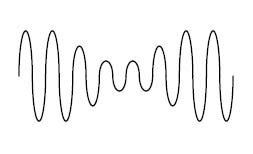
Провал напряженияНедопустимые, нерекомендуемые
Примечание(1)- Мнение автора карточкиТематики
Обобщающие термины
EN
DE
FR
Смотри также
резкое снижение напряжения
—
[Я.Н.Лугинский, М.С.Фези-Жилинская, Ю.С.Кабиров. Англо-русский словарь по электротехнике и электроэнергетике, Москва, 1999 г.]Тематики
- электротехника, основные понятия
EN
Англо-русский словарь нормативно-технической терминологии > voltage depression
9 voltage collapse
лавина напряжения
—
[Я.Н.Лугинский, М.С.Фези-Жилинская, Ю.С.Кабиров. Англо-русский словарь по электротехнике и электроэнергетике, Москва, 1999 г.]Тематики
- электротехника, основные понятия
EN
посадка напряжения
Внезапное значительное снижение напряжения в системе электроснабжения.
[ ГОСТ 23875-88]EN
voltage collapse
sudden decrease in voltage leading to loss of voltage in the whole or a part of a power system
NOTE – A cascading tripping of generating units and/or transmission lines usually occurs during voltage collapse.
[IEV number 604-01-22 ]
voltage depression
system condition characterized by a sustained and significant lowering of voltage in the whole or part of a power system
[IEV number 604-01-44]FR
écroulement de la tension
baisse soudaine de la tension conduisant à la disparition de la tension dans tout ou partie d'un réseau d'énergie électrique
NOTE – Des déclenchements en cascade d'unités de production et/ou de lignes de transport d'énergie électrique se produisent généralement lors d'un écroulement de la tension.
[IEV number 604-01-22 ]
baisse profonde de la tension
état d'un réseau d'énergie électrique caractérisé par une baisse durable et significative de la tension dans tout ou partie du réseau
[IEV number 604-01-44]Тематики
EN
DE
FR
Смотри также
Англо-русский словарь нормативно-технической терминологии > voltage collapse
10 excessive line-undervoltage
посадка напряжения
Внезапное значительное снижение напряжения в системе электроснабжения.
[ ГОСТ 23875-88]EN
voltage collapse
sudden decrease in voltage leading to loss of voltage in the whole or a part of a power system
NOTE – A cascading tripping of generating units and/or transmission lines usually occurs during voltage collapse.
[IEV number 604-01-22 ]
voltage depression
system condition characterized by a sustained and significant lowering of voltage in the whole or part of a power system
[IEV number 604-01-44]FR
écroulement de la tension
baisse soudaine de la tension conduisant à la disparition de la tension dans tout ou partie d'un réseau d'énergie électrique
NOTE – Des déclenchements en cascade d'unités de production et/ou de lignes de transport d'énergie électrique se produisent généralement lors d'un écroulement de la tension.
[IEV number 604-01-22 ]
baisse profonde de la tension
état d'un réseau d'énergie électrique caractérisé par une baisse durable et significative de la tension dans tout ou partie du réseau
[IEV number 604-01-44]Тематики
EN
DE
FR
Смотри также
Англо-русский словарь нормативно-технической терминологии > excessive line-undervoltage
11 duration of a voltage change
длительность изменения напряжения
Интервал времени от начала одиночного изменения напряжения до его конечного значения.
[ ГОСТ 13109-97]EN
duration of a voltage change
interval of time for the voltage to increase or decrease from the initial value to the final value
[IEV number 161-08-03]FR
durée d'une variation de tension
durée d'un intervalle de temps pendant lequel la tension croît ou décroît de sa valeur initiale avant une variation de tension à sa valeur finale
[IEV number 161-08-03]Тематики
EN
DE
FR
3.8 длительность изменения напряжения (duration of a voltage change): Интервал времени, в течение которого напряжение увеличивается или снижается от начального до конечного значения.
Источник: ГОСТ Р 55266-2012: Совместимость технических средств электромагнитная. Оборудование сетей связи. Требования и методы испытаний оригинал документа
Англо-русский словарь нормативно-технической терминологии > duration of a voltage change
12 voltage impulse
импульс напряжения
Искажение формы кривой питающего напряжения может происходить за счет появления высокочастотных импульсов при коммутациях в сети, работе разрядников и т. д.
Резкое изменение напряжения в точке электрической сети, за которым следует восстановление напряжения до первоначального или близкого к нему уровня за промежуток времени до нескольких миллисекунд.
[ ГОСТ 13109-97]
импульс напряжения
импульс
Кратковременное напряжение, характеризуемое быстрым подъемом значения напряжения до максимального и последующим более медленным снижением значения напряжения
[ ГОСТ 1516.2-97]

Параметры импульсного напряжения- Импульсное напряжение Uимп в вольтах, киловольтах измеряют как максимальное значение напряжения при резком его изменении (длительность фронта импульса не более 5 мс).
-
Длительность импульса напряжения по уровню 0,5 его амплитуды tимп0,5 в микросекундах, миллисекундах измеряют следующим образом.
- Выделяют из общей кривой напряжения импульс напряжения и определяют амплитуду этого импульса Uимп.а в вольтах, киловольтах как максимальное значение импульса напряжения.
- Определяют моменты времени tн0,5, tк0,5 в микросекундах, миллисекундах, соответствующие пересечению кривой импульса напряжения горизонтальной линией, проведенной на половине амплитуды импульса, в микросекундах, миллисекундах.
-
Вычисляют Δtимп0,5 по формуле:
Δtимп0,5 = tк0,5 - tн0,5
Тематики
- высоковольтный аппарат, оборудование...
- качество электрической энергии
- электромагнитная совместимость
Обобщающие термины
EN
импульс напряжения в системе электроснабжения
Резкое изменение напряжения в системе электроснабжения, длящееся малый интервал времени относительно определенного интервала времени.
Примечание. Импульс напряжения возникает при коммутационных операциях, грозовых явлениях.
[ ГОСТ 23875-88]EN
voltage impulse
a transient voltage wave applied to a line or equipment, characterized by a rapid increase, followed generally by a slower non-oscillatory decrease of the voltage
[IEV number 604-03-14]FR
tension de choc
onde de tension transitoire appliquée à une ligne ou à un matériel, caractérisée par une montée rapide de la tension suivie généralement d'une décroissance plus lente et non oscillatoire
[IEV number 604-03-14]Тематики
EN
DE
FR
Смотри также
22. Импульс напряжения в системе электроснабжения
D. Stoßspannung
E. Voltage impulse
F. Tension de choc
Резкое изменение напряжения в системе электроснабжения, длящееся малый интервал времени относительно определенного интервала времени.
Примечание. Импульс напряжения возникает при коммутационных операциях, грозовых явлениях
Источник: ГОСТ 23875-88: Качество электрической энергии. Термины и определения оригинал документа
Англо-русский словарь нормативно-технической терминологии > voltage impulse
13 DOL
- эффект операционного рычага
- пускатель прямого действия
- прямой пуск вращающегося электродвигателя
- Министерство труда (США)
- концентрация растворённого кислорода
концентрация растворённого кислорода
—
[А.С.Гольдберг. Англо-русский энергетический словарь. 2006 г.]Тематики
EN
Министерство труда (США)
—
[А.С.Гольдберг. Англо-русский энергетический словарь. 2006 г.]Тематики
EN
прямой пуск вращающегося электродвигателя
Пуск вращающегося электродвигателя путем непосредственного подключения его к питающей сети.
[ ГОСТ 27471-87]EN
direct-on-line starting
across-the-line starting (US)
the process of starting a motor by connecting it directly to the supply at rated voltage
[IEV number 411-52-15]FR
démarrage direct
mode de démarrage d'un moteur, consistant à lui appliquer directement sa pleine tension assignée
[IEV number 411-52-15]
Рис. ABB
Схема прямого пуска электродвигателяMagnetic only circuit-breaker - Автоматический выключатель с электромагнитным расцепителем
Contactor KL - Контактор KL
Thermal relay - Тепловое реле
Параллельные тексты EN-RU
Direct-on-line starting
Direct-on-line starting, which is often abbreviated as DOL, is perhaps the most traditional system and consists in connecting the motor directly to the supply network, thus carrying out starting at full voltage.Direct-on-line starting represents the simplest and the most economical system to start a squirrel-cage asynchronous motor and it is the most used.
As represented in Figure 5, it provides the direct connection to the supply network and therefore starting is carried out at full voltage and with constant frequency, developing a high starting torque with very reduced acceleration times.
The typical applications are relevant to small power motors also with full load starting.
These advantages are linked to some problems such as, for example, the high inrush current, which - in the first instants - can reach values of about 10 to 12 times the rated current, then can decrease to about 6 to 8 times the rated current and can persist to reach the maximum torque speed.The effects of such currents can be identified with the high electro-dynamical stresses on the motor connection cables and could affect also the windings of the motor itself; besides, the high inrush torques can cause violent accelerations which stress the transmission components (belts and joints) generating distribution problems with a reduction in the mechanical life of these elements.
Finally, also the possible electrical problems due to voltage drops on the supply line of the motor or of the connected equipment must be taken into consideration.
[ABB]Прямой пуск
Прямой пуск, который по-английски часто сокращенно обозначают как DOL, является, пожалуй наиболее распространенным способом пуска. Он заключается в непосредственном (т. е. прямом) подключении двигателя к питающей сети. Это означает, что пуск двигателя осуществляется при полном напряжении.Схема прямого пуска является наиболее простым, экономичным и чаще всего применяемым решением для электродвигателей с короткозамкнутым ротором.
Схема прямого подключения к сети представлена на рисунке 5. Пуск осуществляется при полном напряжении и постоянной частоте сети. Электродвигатель развивает высокий пусковой момент при коротком времени разгона.
Типичные области применения – маломощные электродвигатели, в том числе с пуском при полной нагрузке.
Однако, наряду с преимуществами имеются и определенные недостатки, например, бросок пускового тока, достигающий в первоначальный момент 10…12-кратного значения от номинального тока электродвигателя. Затем ток двигателя уменьшается примерно до 6…8-кратного значения номинального тока и будет держаться на этом уровне до тех пор, пока скорость двигателя не достигнет максимального значения.
Такое изменение тока оказывает значительное электродинамическое воздействие на кабель, подключенный к двигателю. Кроме того пусковой ток воздействует на обмотки двигателя. Высокий начальный пусковой момент может привести к значительному ускорению и следовательно к значительной нагрузке элементов привода (ремней, крепления узлов), что вызывает сокращение их срока службы.
И, наконец, следует принять во внимание возможное возникновение проблем, связанных с падением напряжения в линии питания двигателя и подключенного к этой линии оборудования.
[Перевод Интент]
Тематики
Синонимы
EN
- across-the-line starting (US)
- direct line starting
- direct operation of a motor
- direct starting
- direct-on-line starting
- DOL
- full voltage starter application
DE
FR
пускатель прямого действия
Пускатель, одноступенчато подающий сетевое напряжение на выводы двигателя.
(МЭС 441-14-40)
[ ГОСТ Р 50030.4.1-2002 (МЭК 60947-4-1-2000)]
Пускатели переменного тока для прямого непосредственного пуска (с полным напряжением)
Пускатели, предназначенные для пуска двигателя, разгона его до номинальной скорости, защиты двигателя и подключенных к нему цепей от рабочих перегрузок и отключения питания двигателя.
[ ГОСТ Р 50030.4.1-2002 (МЭК 60947-4-1-2000)]EN
direct-on-line starter
a starter which connects the line voltage across the motor terminals in one step
[IEV number 441-14-40]FR
démarreur direct
démarreur qui applique la tension d'alimentation sur les bornes du moteur en une seule manoeuvre
[IEV number 441-14-40]Параллельные тексты EN-RU
Direct-on-line starters
Starters which connect the line voltage across the motor terminals in one step, intended to start and accelerate a motor to normal speed.
They shall ensure switching and protection functions as prescribed in the general definition.
[ABB]Пускатели прямого действия
Пускатели, одноступенчато подающие сетевое напряжение на зажимы двигателя и предназначенные для его пуска и разгона до номинальной скорости.
Кроме того, они должны обеспечивать коммутацию и защиту в соответствии с общим определением.
[Перевод Интент]Тематики
EN
DE
FR
эффект операционного рычага
эффект производственного рычага
Эффект операционного рычага - выражение того факта, что любое изменение выручки от реализации порождает изменение прибыли. Сила воздействия операционного рычага вычисляется как частное от деления выручки от реализации после возмещения переменных затрат на прибыль.
[ http://www.lexikon.ru/dict/fin/a.html]Тематики
Синонимы
EN
Англо-русский словарь нормативно-технической терминологии > DOL
14 direct starting
прямой пуск
—
[Я.Н.Лугинский, М.С.Фези-Жилинская, Ю.С.Кабиров. Англо-русский словарь по электротехнике и электроэнергетике, Москва, 1999 г.]Тематики
- электротехника, основные понятия
EN
прямой пуск вращающегося электродвигателя
Пуск вращающегося электродвигателя путем непосредственного подключения его к питающей сети.
[ ГОСТ 27471-87]EN
direct-on-line starting
across-the-line starting (US)
the process of starting a motor by connecting it directly to the supply at rated voltage
[IEV number 411-52-15]FR
démarrage direct
mode de démarrage d'un moteur, consistant à lui appliquer directement sa pleine tension assignée
[IEV number 411-52-15]
Рис. ABB
Схема прямого пуска электродвигателяMagnetic only circuit-breaker - Автоматический выключатель с электромагнитным расцепителем
Contactor KL - Контактор KL
Thermal relay - Тепловое реле
Параллельные тексты EN-RU
Direct-on-line starting
Direct-on-line starting, which is often abbreviated as DOL, is perhaps the most traditional system and consists in connecting the motor directly to the supply network, thus carrying out starting at full voltage.Direct-on-line starting represents the simplest and the most economical system to start a squirrel-cage asynchronous motor and it is the most used.
As represented in Figure 5, it provides the direct connection to the supply network and therefore starting is carried out at full voltage and with constant frequency, developing a high starting torque with very reduced acceleration times.
The typical applications are relevant to small power motors also with full load starting.
These advantages are linked to some problems such as, for example, the high inrush current, which - in the first instants - can reach values of about 10 to 12 times the rated current, then can decrease to about 6 to 8 times the rated current and can persist to reach the maximum torque speed.The effects of such currents can be identified with the high electro-dynamical stresses on the motor connection cables and could affect also the windings of the motor itself; besides, the high inrush torques can cause violent accelerations which stress the transmission components (belts and joints) generating distribution problems with a reduction in the mechanical life of these elements.
Finally, also the possible electrical problems due to voltage drops on the supply line of the motor or of the connected equipment must be taken into consideration.
[ABB]Прямой пуск
Прямой пуск, который по-английски часто сокращенно обозначают как DOL, является, пожалуй наиболее распространенным способом пуска. Он заключается в непосредственном (т. е. прямом) подключении двигателя к питающей сети. Это означает, что пуск двигателя осуществляется при полном напряжении.Схема прямого пуска является наиболее простым, экономичным и чаще всего применяемым решением для электродвигателей с короткозамкнутым ротором.
Схема прямого подключения к сети представлена на рисунке 5. Пуск осуществляется при полном напряжении и постоянной частоте сети. Электродвигатель развивает высокий пусковой момент при коротком времени разгона.
Типичные области применения – маломощные электродвигатели, в том числе с пуском при полной нагрузке.
Однако, наряду с преимуществами имеются и определенные недостатки, например, бросок пускового тока, достигающий в первоначальный момент 10…12-кратного значения от номинального тока электродвигателя. Затем ток двигателя уменьшается примерно до 6…8-кратного значения номинального тока и будет держаться на этом уровне до тех пор, пока скорость двигателя не достигнет максимального значения.
Такое изменение тока оказывает значительное электродинамическое воздействие на кабель, подключенный к двигателю. Кроме того пусковой ток воздействует на обмотки двигателя. Высокий начальный пусковой момент может привести к значительному ускорению и следовательно к значительной нагрузке элементов привода (ремней, крепления узлов), что вызывает сокращение их срока службы.
И, наконец, следует принять во внимание возможное возникновение проблем, связанных с падением напряжения в линии питания двигателя и подключенного к этой линии оборудования.
[Перевод Интент]
Тематики
Синонимы
EN
- across-the-line starting (US)
- direct line starting
- direct operation of a motor
- direct starting
- direct-on-line starting
- DOL
- full voltage starter application
DE
FR
Англо-русский словарь нормативно-технической терминологии > direct starting
15 direct line starting
прямой пуск вращающегося электродвигателя
Пуск вращающегося электродвигателя путем непосредственного подключения его к питающей сети.
[ ГОСТ 27471-87]EN
direct-on-line starting
across-the-line starting (US)
the process of starting a motor by connecting it directly to the supply at rated voltage
[IEV number 411-52-15]FR
démarrage direct
mode de démarrage d'un moteur, consistant à lui appliquer directement sa pleine tension assignée
[IEV number 411-52-15]
Рис. ABB
Схема прямого пуска электродвигателяMagnetic only circuit-breaker - Автоматический выключатель с электромагнитным расцепителем
Contactor KL - Контактор KL
Thermal relay - Тепловое реле
Параллельные тексты EN-RU
Direct-on-line starting
Direct-on-line starting, which is often abbreviated as DOL, is perhaps the most traditional system and consists in connecting the motor directly to the supply network, thus carrying out starting at full voltage.Direct-on-line starting represents the simplest and the most economical system to start a squirrel-cage asynchronous motor and it is the most used.
As represented in Figure 5, it provides the direct connection to the supply network and therefore starting is carried out at full voltage and with constant frequency, developing a high starting torque with very reduced acceleration times.
The typical applications are relevant to small power motors also with full load starting.
These advantages are linked to some problems such as, for example, the high inrush current, which - in the first instants - can reach values of about 10 to 12 times the rated current, then can decrease to about 6 to 8 times the rated current and can persist to reach the maximum torque speed.The effects of such currents can be identified with the high electro-dynamical stresses on the motor connection cables and could affect also the windings of the motor itself; besides, the high inrush torques can cause violent accelerations which stress the transmission components (belts and joints) generating distribution problems with a reduction in the mechanical life of these elements.
Finally, also the possible electrical problems due to voltage drops on the supply line of the motor or of the connected equipment must be taken into consideration.
[ABB]Прямой пуск
Прямой пуск, который по-английски часто сокращенно обозначают как DOL, является, пожалуй наиболее распространенным способом пуска. Он заключается в непосредственном (т. е. прямом) подключении двигателя к питающей сети. Это означает, что пуск двигателя осуществляется при полном напряжении.Схема прямого пуска является наиболее простым, экономичным и чаще всего применяемым решением для электродвигателей с короткозамкнутым ротором.
Схема прямого подключения к сети представлена на рисунке 5. Пуск осуществляется при полном напряжении и постоянной частоте сети. Электродвигатель развивает высокий пусковой момент при коротком времени разгона.
Типичные области применения – маломощные электродвигатели, в том числе с пуском при полной нагрузке.
Однако, наряду с преимуществами имеются и определенные недостатки, например, бросок пускового тока, достигающий в первоначальный момент 10…12-кратного значения от номинального тока электродвигателя. Затем ток двигателя уменьшается примерно до 6…8-кратного значения номинального тока и будет держаться на этом уровне до тех пор, пока скорость двигателя не достигнет максимального значения.
Такое изменение тока оказывает значительное электродинамическое воздействие на кабель, подключенный к двигателю. Кроме того пусковой ток воздействует на обмотки двигателя. Высокий начальный пусковой момент может привести к значительному ускорению и следовательно к значительной нагрузке элементов привода (ремней, крепления узлов), что вызывает сокращение их срока службы.
И, наконец, следует принять во внимание возможное возникновение проблем, связанных с падением напряжения в линии питания двигателя и подключенного к этой линии оборудования.
[Перевод Интент]
Тематики
Синонимы
EN
- across-the-line starting (US)
- direct line starting
- direct operation of a motor
- direct starting
- direct-on-line starting
- DOL
- full voltage starter application
DE
FR
Англо-русский словарь нормативно-технической терминологии > direct line starting
16 direct operation of a motor
прямой пуск вращающегося электродвигателя
Пуск вращающегося электродвигателя путем непосредственного подключения его к питающей сети.
[ ГОСТ 27471-87]EN
direct-on-line starting
across-the-line starting (US)
the process of starting a motor by connecting it directly to the supply at rated voltage
[IEV number 411-52-15]FR
démarrage direct
mode de démarrage d'un moteur, consistant à lui appliquer directement sa pleine tension assignée
[IEV number 411-52-15]
Рис. ABB
Схема прямого пуска электродвигателяMagnetic only circuit-breaker - Автоматический выключатель с электромагнитным расцепителем
Contactor KL - Контактор KL
Thermal relay - Тепловое реле
Параллельные тексты EN-RU
Direct-on-line starting
Direct-on-line starting, which is often abbreviated as DOL, is perhaps the most traditional system and consists in connecting the motor directly to the supply network, thus carrying out starting at full voltage.Direct-on-line starting represents the simplest and the most economical system to start a squirrel-cage asynchronous motor and it is the most used.
As represented in Figure 5, it provides the direct connection to the supply network and therefore starting is carried out at full voltage and with constant frequency, developing a high starting torque with very reduced acceleration times.
The typical applications are relevant to small power motors also with full load starting.
These advantages are linked to some problems such as, for example, the high inrush current, which - in the first instants - can reach values of about 10 to 12 times the rated current, then can decrease to about 6 to 8 times the rated current and can persist to reach the maximum torque speed.The effects of such currents can be identified with the high electro-dynamical stresses on the motor connection cables and could affect also the windings of the motor itself; besides, the high inrush torques can cause violent accelerations which stress the transmission components (belts and joints) generating distribution problems with a reduction in the mechanical life of these elements.
Finally, also the possible electrical problems due to voltage drops on the supply line of the motor or of the connected equipment must be taken into consideration.
[ABB]Прямой пуск
Прямой пуск, который по-английски часто сокращенно обозначают как DOL, является, пожалуй наиболее распространенным способом пуска. Он заключается в непосредственном (т. е. прямом) подключении двигателя к питающей сети. Это означает, что пуск двигателя осуществляется при полном напряжении.Схема прямого пуска является наиболее простым, экономичным и чаще всего применяемым решением для электродвигателей с короткозамкнутым ротором.
Схема прямого подключения к сети представлена на рисунке 5. Пуск осуществляется при полном напряжении и постоянной частоте сети. Электродвигатель развивает высокий пусковой момент при коротком времени разгона.
Типичные области применения – маломощные электродвигатели, в том числе с пуском при полной нагрузке.
Однако, наряду с преимуществами имеются и определенные недостатки, например, бросок пускового тока, достигающий в первоначальный момент 10…12-кратного значения от номинального тока электродвигателя. Затем ток двигателя уменьшается примерно до 6…8-кратного значения номинального тока и будет держаться на этом уровне до тех пор, пока скорость двигателя не достигнет максимального значения.
Такое изменение тока оказывает значительное электродинамическое воздействие на кабель, подключенный к двигателю. Кроме того пусковой ток воздействует на обмотки двигателя. Высокий начальный пусковой момент может привести к значительному ускорению и следовательно к значительной нагрузке элементов привода (ремней, крепления узлов), что вызывает сокращение их срока службы.
И, наконец, следует принять во внимание возможное возникновение проблем, связанных с падением напряжения в линии питания двигателя и подключенного к этой линии оборудования.
[Перевод Интент]
Тематики
Синонимы
EN
- across-the-line starting (US)
- direct line starting
- direct operation of a motor
- direct starting
- direct-on-line starting
- DOL
- full voltage starter application
DE
FR
Англо-русский словарь нормативно-технической терминологии > direct operation of a motor
17 direct-on-line starting
прямой пуск вращающегося электродвигателя
Пуск вращающегося электродвигателя путем непосредственного подключения его к питающей сети.
[ ГОСТ 27471-87]EN
direct-on-line starting
across-the-line starting (US)
the process of starting a motor by connecting it directly to the supply at rated voltage
[IEV number 411-52-15]FR
démarrage direct
mode de démarrage d'un moteur, consistant à lui appliquer directement sa pleine tension assignée
[IEV number 411-52-15]
Рис. ABB
Схема прямого пуска электродвигателяMagnetic only circuit-breaker - Автоматический выключатель с электромагнитным расцепителем
Contactor KL - Контактор KL
Thermal relay - Тепловое реле
Параллельные тексты EN-RU
Direct-on-line starting
Direct-on-line starting, which is often abbreviated as DOL, is perhaps the most traditional system and consists in connecting the motor directly to the supply network, thus carrying out starting at full voltage.Direct-on-line starting represents the simplest and the most economical system to start a squirrel-cage asynchronous motor and it is the most used.
As represented in Figure 5, it provides the direct connection to the supply network and therefore starting is carried out at full voltage and with constant frequency, developing a high starting torque with very reduced acceleration times.
The typical applications are relevant to small power motors also with full load starting.
These advantages are linked to some problems such as, for example, the high inrush current, which - in the first instants - can reach values of about 10 to 12 times the rated current, then can decrease to about 6 to 8 times the rated current and can persist to reach the maximum torque speed.The effects of such currents can be identified with the high electro-dynamical stresses on the motor connection cables and could affect also the windings of the motor itself; besides, the high inrush torques can cause violent accelerations which stress the transmission components (belts and joints) generating distribution problems with a reduction in the mechanical life of these elements.
Finally, also the possible electrical problems due to voltage drops on the supply line of the motor or of the connected equipment must be taken into consideration.
[ABB]Прямой пуск
Прямой пуск, который по-английски часто сокращенно обозначают как DOL, является, пожалуй наиболее распространенным способом пуска. Он заключается в непосредственном (т. е. прямом) подключении двигателя к питающей сети. Это означает, что пуск двигателя осуществляется при полном напряжении.Схема прямого пуска является наиболее простым, экономичным и чаще всего применяемым решением для электродвигателей с короткозамкнутым ротором.
Схема прямого подключения к сети представлена на рисунке 5. Пуск осуществляется при полном напряжении и постоянной частоте сети. Электродвигатель развивает высокий пусковой момент при коротком времени разгона.
Типичные области применения – маломощные электродвигатели, в том числе с пуском при полной нагрузке.
Однако, наряду с преимуществами имеются и определенные недостатки, например, бросок пускового тока, достигающий в первоначальный момент 10…12-кратного значения от номинального тока электродвигателя. Затем ток двигателя уменьшается примерно до 6…8-кратного значения номинального тока и будет держаться на этом уровне до тех пор, пока скорость двигателя не достигнет максимального значения.
Такое изменение тока оказывает значительное электродинамическое воздействие на кабель, подключенный к двигателю. Кроме того пусковой ток воздействует на обмотки двигателя. Высокий начальный пусковой момент может привести к значительному ускорению и следовательно к значительной нагрузке элементов привода (ремней, крепления узлов), что вызывает сокращение их срока службы.
И, наконец, следует принять во внимание возможное возникновение проблем, связанных с падением напряжения в линии питания двигателя и подключенного к этой линии оборудования.
[Перевод Интент]
Тематики
Синонимы
EN
- across-the-line starting (US)
- direct line starting
- direct operation of a motor
- direct starting
- direct-on-line starting
- DOL
- full voltage starter application
DE
FR
Англо-русский словарь нормативно-технической терминологии > direct-on-line starting
18 full voltage starter application
прямой пуск вращающегося электродвигателя
Пуск вращающегося электродвигателя путем непосредственного подключения его к питающей сети.
[ ГОСТ 27471-87]EN
direct-on-line starting
across-the-line starting (US)
the process of starting a motor by connecting it directly to the supply at rated voltage
[IEV number 411-52-15]FR
démarrage direct
mode de démarrage d'un moteur, consistant à lui appliquer directement sa pleine tension assignée
[IEV number 411-52-15]
Рис. ABB
Схема прямого пуска электродвигателяMagnetic only circuit-breaker - Автоматический выключатель с электромагнитным расцепителем
Contactor KL - Контактор KL
Thermal relay - Тепловое реле
Параллельные тексты EN-RU
Direct-on-line starting
Direct-on-line starting, which is often abbreviated as DOL, is perhaps the most traditional system and consists in connecting the motor directly to the supply network, thus carrying out starting at full voltage.Direct-on-line starting represents the simplest and the most economical system to start a squirrel-cage asynchronous motor and it is the most used.
As represented in Figure 5, it provides the direct connection to the supply network and therefore starting is carried out at full voltage and with constant frequency, developing a high starting torque with very reduced acceleration times.
The typical applications are relevant to small power motors also with full load starting.
These advantages are linked to some problems such as, for example, the high inrush current, which - in the first instants - can reach values of about 10 to 12 times the rated current, then can decrease to about 6 to 8 times the rated current and can persist to reach the maximum torque speed.The effects of such currents can be identified with the high electro-dynamical stresses on the motor connection cables and could affect also the windings of the motor itself; besides, the high inrush torques can cause violent accelerations which stress the transmission components (belts and joints) generating distribution problems with a reduction in the mechanical life of these elements.
Finally, also the possible electrical problems due to voltage drops on the supply line of the motor or of the connected equipment must be taken into consideration.
[ABB]Прямой пуск
Прямой пуск, который по-английски часто сокращенно обозначают как DOL, является, пожалуй наиболее распространенным способом пуска. Он заключается в непосредственном (т. е. прямом) подключении двигателя к питающей сети. Это означает, что пуск двигателя осуществляется при полном напряжении.Схема прямого пуска является наиболее простым, экономичным и чаще всего применяемым решением для электродвигателей с короткозамкнутым ротором.
Схема прямого подключения к сети представлена на рисунке 5. Пуск осуществляется при полном напряжении и постоянной частоте сети. Электродвигатель развивает высокий пусковой момент при коротком времени разгона.
Типичные области применения – маломощные электродвигатели, в том числе с пуском при полной нагрузке.
Однако, наряду с преимуществами имеются и определенные недостатки, например, бросок пускового тока, достигающий в первоначальный момент 10…12-кратного значения от номинального тока электродвигателя. Затем ток двигателя уменьшается примерно до 6…8-кратного значения номинального тока и будет держаться на этом уровне до тех пор, пока скорость двигателя не достигнет максимального значения.
Такое изменение тока оказывает значительное электродинамическое воздействие на кабель, подключенный к двигателю. Кроме того пусковой ток воздействует на обмотки двигателя. Высокий начальный пусковой момент может привести к значительному ускорению и следовательно к значительной нагрузке элементов привода (ремней, крепления узлов), что вызывает сокращение их срока службы.
И, наконец, следует принять во внимание возможное возникновение проблем, связанных с падением напряжения в линии питания двигателя и подключенного к этой линии оборудования.
[Перевод Интент]
Тематики
Синонимы
EN
- across-the-line starting (US)
- direct line starting
- direct operation of a motor
- direct starting
- direct-on-line starting
- DOL
- full voltage starter application
DE
FR
Англо-русский словарь нормативно-технической терминологии > full voltage starter application
19 bajar
bajar ( conjugate bajar) verbo intransitivo 1 ( acercándose) to come down;◊ bajar por las escaleras to go/come down the stairs;ya bajo I'll be right down ‹ de coche› to get out of sth; ‹de caballo/bicicleta› to get off sth 2 [ hinchazón] to go down; [ temperatura] to fall, drop [ calidad] to deteriorate; [ popularidad] to diminish; verbo transitivo 1 ‹escalera/cuesta› to go down 2 ‹brazo/mano› to put down, lower 3a) bajar algo (de algo) ‹de armario/estante› to get sth down (from sth);‹ del piso de arriba› ( traer) to bring sth down (from sth); ( llevar) to take sth down (to sth) 4 ‹ ventanilla› to open 5 ‹ precio› to lower; ‹ fiebre› to bring down; ‹ volumen› to turn down; ‹ voz› to lower bajarse verbo pronominal 1 ( apearse) bajarse de algo ‹de tren/autobús› to get off sth; ‹ de coche› to get out of sth; ‹de caballo/bicicleta› to get off sth; ‹de pared/árbol› to get down off sth 2 ‹ pantalones› to take down; ‹ falda› to pull down
bajar
I verbo transitivo
1 (descender) to come o go down: bajé corriendo la cuesta, I ran downhill ➣ Ver nota en ir 2 (llevar algo abajo) to bring o get o take down: baja los disfraces del trastero, bring the costumes down from the attic
3 (un telón) to lower (una persiana) to let down (la cabeza) to bow o lower
4 (reducir el volumen) to turn down (la voz) to lower
5 (los precios, etc) to reduce, cut
6 (ropa, dobladillo) tengo que bajar el vestido, I've got to let the hem down
7 Mús tienes que bajar un tono, you've got to go down a tone
II verbo intransitivo
1 to go o come down: bajamos al bar, we went down to the bar
2 (apearse de un tren, un autobús) to get off (de un coche) to get out [de, of]: tienes que bajarte en la siguiente parada, you've got to get off at the next stop
3 (disminuir la temperatura, los precios) to fall, drop: ha bajado su cotización en la bolsa, its share prices have dropped in the stock exchange ' bajar' also found in these entries: Spanish: abaratarse - basura - descender - guardia - irse - a - bandera - hundir - mirada - poder - vista - volumen English: boil over - bow - bring down - climb down - come down - decline - decrease - deflate - descend - dip - down - downgrade - downstairs - draw - drop - fall - force down - get down - get off - go below - go down - guard - hang - heave - inflammation - jump down - jump off - let down - let off - lift down - lower - mark down - move down - pull down - relegate - send down - slide down - slip - slip down - spiral down - steeply - subside - swoop - take down - turn down - walk down - wind down - bring - can - come20 relaxation
1. n расслабление, ослабление2. n уменьшение; спад3. n отдых; передышка; развлечение4. n смягчение5. n юр. частичное или полное освобождение6. n спец. релаксация; возвращение в исходное состояниеСинонимический ряд:1. abatement (noun) abatement; decrease; diminishing; easing off; lessening; loosening; moderation; slackening; softening2. amusement (noun) amusement; diversion; enjoyment; leisure3. rest (noun) breather; ease; kicking back; meditation; mellowness; repose; requiescence; rest; vacation timeАнтонимический ряд:tightening; workСм. также в других словарях:
The Apprentice (U.S. season 10) — The Apprentice 10 Winner Brandy Kuentzel Season run September 16th, 2010 – December 9th, 2010 Filming Dates June 1st, 2010 – June 29th, 2010 Number of episodes 13 Number of candidates 16 Teams Octane and Fortitude Season chronology … Wikipedia
The Twelfth — Orangemen parade in Bangor on 12 July 2010 Also called Orangemen s Day, Orangefest Observed by … Wikipedia
Basic physics of the violin — The distinctive sound of a violin is the result of interactions between its many parts. Drawing a bow across the strings causes them to vibrate. This vibration is transmitted through the bridge and sound post to the body of the violin (mainly the … Wikipedia
The Apprentice (U.S. season 2) — This article is about the U.S. season. For the UK season, see The Apprentice (UK series two). The Apprentice 2 Winner Kelly Perdew Season run September 8, 2004 – December 16, 2004 Filming Dates May 2004 – June 2004 Number of episodes 15 Number of … Wikipedia
Polis and its culture (The) — The polis and its culture Robin Osborne INTRODUCTION ‘We love wisdom without becoming soft’, Thucydides has the Athenian politician Pericles claim, using the verb philosophein.1 Claims to, and respect for, wisdom in archaic Greece were by no… … History of philosophy
tension — /ˈtɛnʃən / (say tenshuhn) noun 1. the act of stretching or straining. 2. the state of being stretched or strained. 3. mental or emotional strain; intense suppressed anxiety, suspense, or excitement. 4. a strained relationship between individuals …
Frank-Starling law of the heart — The Frank Starling law of the heart (also known as Starling s law or the Frank Starling mechanism) states that the greater the volume of blood entering the heart during diastole (end diastolic volume), the greater the volume of blood ejected… … Wikipedia
The Apprentice (U.S. season 4) — This article is about the U.S. season. For the UK season, see The Apprentice (UK series four). The Apprentice 4 Winner Randal Pinkett Season run September 22, 2005 – December 15, 2005 Filming Dates April 2005 – May 2005 Number of episodes 13… … Wikipedia
Healthcare system reform in the People's Republic of China — The healthcare system reform in the People s Republic of China refers to the healthcare system transition in modern China.The Ministry of Health of the State Council oversees the health services system, which includes a substantial rural… … Wikipedia
HISTORICAL SURVEY: THE STATE AND ITS ANTECEDENTS (1880–2006) — Introduction It took the new Jewish nation about 70 years to emerge as the State of Israel. The immediate stimulus that initiated the modern return to Zion was the disappointment, in the last quarter of the 19th century, of the expectation that… … Encyclopedia of Judaism
Military reforms resulting from the Yen Bai mutiny — For the mutiny, see Yen Bai mutiny. The failure of the Yen Bai mutiny by Vietnamese soldiers in the French colonial army on February 10, 1930 caused the French authorities to engage in a reform of military policies which were aimed at preventing… … Wikipedia
 18+© Академик, 2000-2026
- Обратная связь: Техподдержка, Реклама на сайте
Экспорт словарей на сайты, сделанные на PHP, Joomla, Drupal, WordPress, MODx.
Перевод: с английского на все языки
со всех языков на английский- Со всех языков на:
- Английский
- С английского на:
- Все языки
- Испанский
- Немецкий
- Русский
- Украинский